Menu

Wound care & limb salvage · Northern New Jersey Wound care that keeps you on your feet

Your care is led by a Foot & Ankle Surgeon who is board certified in wound care. We treat the wound and the cause behind it, and when surgery is what saves the foot, we perform it.

New here? See all the ways to schedule

Dr. Efe Ozturk, a Foot and Ankle Surgeon, is board certified in wound care (FAPWH) and in podiatric medicine (DABPM), and is a Fellow of the American Society of Podiatric Surgeons.

Conditions

Conditions we evaluate and treat

Clear explanations of foot and leg wounds and the problems behind them — diabetes, pressure, infection and poor circulation — how they’re evaluated, and the full range of treatment, including surgery.
All conditions

Not sure where your problem fits? Start with our guides: red, hot, swollen foot, black or discolored toes, foot pain at night, circulation tests, how wounds are evaluated, second opinion before amputation.

Our approach

Heal the wound. Fix the cause. Save the limb.

A foot wound rarely heals until the reason it opened is dealt with: pressure from walking, an infection, poor blood flow, or a foot that has changed shape. We work on all of them together. Careful wound care, offloading and treatment of infection are the foundation, and when an operation is the step that closes the wound and keeps you walking, Dr. Ozturk performs it.

  1. Step 1: Check the wound and the blood flow

    We measure the wound, check circulation with noninvasive testing at our practice and take X-rays on site, and bring in a vascular specialist when blood flow is low.

  2. Step 2: Control infection

    Antibiotics chosen from cultures, and prompt surgery to drain an infection and remove dead tissue or infected bone when antibiotics alone won’t clear it.

  3. Step 3: Take the pressure off and clean the wound

    Regular debridement at your visits, with a knee-high cast or walker or the right boot or shoe, so the wound is no longer pressed with every step.

  4. Step 4: Close it: advanced therapies or surgery

    For a wound that stalls despite good care: skin substitutes, a wound VAC or a skin graft, or surgery to correct the bone or deformity holding it open.

  5. Step 5: Keep it closed

    Protective shoes and custom inserts, regular check-ups and, when a pressure point keeps breaking down, surgery to correct it help keep a healed foot in remission.

Treatments and limb salvage surgeryWhat happens at a wound care visit

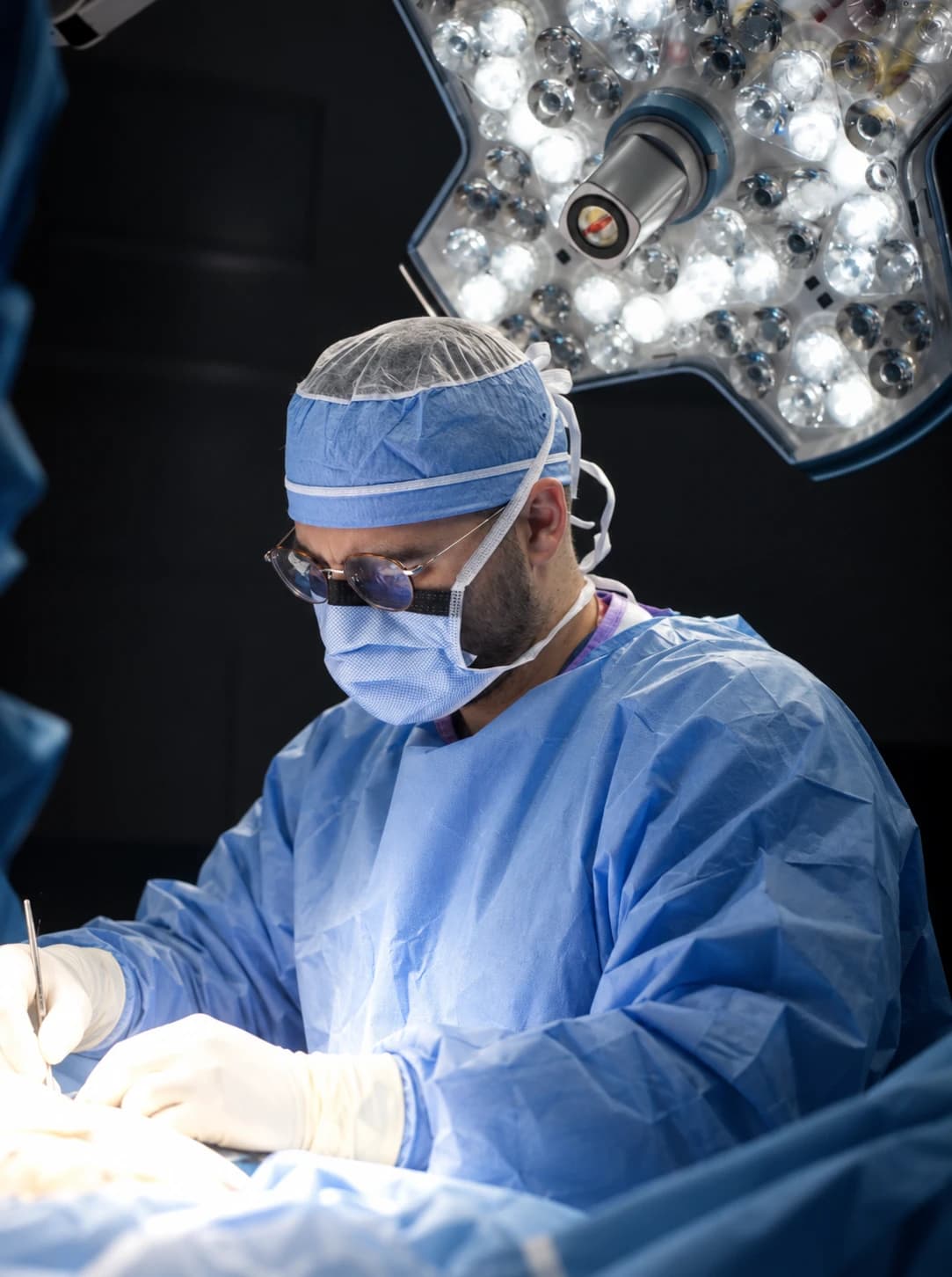
Dr. Efe Ozturk in surgical cap, mask and gown, operating under surgical lights

Your surgeon

Dr. Efe Ozturk

DABPM, FAPWH, FASPS, FASPM

Foot and Ankle Surgeon

Dr. Ozturk is board certified in wound care, as a Fellow of the Academy of Physicians in Wound Healing (FAPWH), and in podiatric medicine, as a Diplomate of the American Board of Podiatric Medicine (DABPM). He sees you through the whole course of care, from the first wound visit to the operating room when the foot needs surgery.

  • Board certified in wound care: Fellow, Academy of Physicians in Wound Healing
  • Three-year surgical residency in forefoot and rearfoot reconstructive surgery, Morristown Medical Center
  • Performs limb salvage surgery himself: draining infection, removing infected bone, correcting deformity, Charcot reconstruction
  • Hospital and surgical privileges at 4 New Jersey facilities
  • Fellow, American Society of Podiatric Surgeons
  • A local to NJ graduating Lyndhurst High School, University of Southern California, and Barry University

What patients say

Five-star reviews on Google

“Wonderful experience! Easy to schedule and get an appointment. Dr. Ozturk had wonderful bedside manner and calming presence.”
M.G. · Google review
“Amazing service from Dr. Ozturk and staff. He’s very direct and professional, overall great experience”
G.J. · Google review

Who may benefit from a wound care visit

  • A sore, blister or cut on the foot or ankle that isn’t getting smaller after two weeks
  • Diabetes or numb feet, with a new sore, a callus that has darkened, or an area that is red or warm
  • A foot infection, or one that keeps coming back in the same place
  • Poor circulation with a wound, or a toe that is turning dark
  • A foot that has changed shape, or a warm, swollen foot with numbness (possible Charcot foot)
  • A surgical wound or an amputation site that has opened up or won’t close
  • Advice that you may need an amputation, and a wish for a second opinion
  • A healed ulcer, and the goal of keeping it from coming back

Insurance: Please call our office at 908-215-5953 to inquire about your insurance.

From the blog

Questions people ask about wounds and limb salvage

Plain-language articles on healing a wound, protecting the foot and the surgery that saves it, with the sources listed.
All articles

Part of a trusted practice

A specialty practice of Ozturk Foot & Ankle

The Limb Salvage Institute brings wound care and the surgery that saves feet together in one place, with the same surgeon, offices, phone number and team as Ozturk Foot & Ankle. For everyday foot and ankle care, visit ozturkfootankle.com. For nerve pain, burning or numbness, see the Lower Extremity Nerve Institute. For planned foot and ankle surgery, such as for bunions, tendons or an ankle problem, see the Center for Lower Extremity Surgery.

About the Institute

Locations

  • LyndhurstBergen County
  • ParamusBergen County
  • MillburnEssex County

Addresses, hours and directions

Appointments

Talk with us about a wound that isn’t healing

A visit can show what is keeping the wound open and what will help it close: careful wound care first, and surgery when it is the step that saves the foot. See us within a day or two for any foot wound that isn’t healing, especially with diabetes.